

In response to the housing crisis, a 2024 report urgently calls for 511,000 more housing units along the Front Range and 10,700 for the City of Boulder (Denver Regional Council of Governments Needs Assessment). Meanwhile, unaffordable homes continue to be constructed, while new developments take years to build and are priced out of reach for most people.
Manufactured homes (MH) are the largest type of affordable and unsubsidized housing in the U.S. These factory-built homes offer true affordability and could rapidly address our housing shortfall. Yet, zoning laws across the U.S. and here on the Front Range typically prohibit them from single-family housing neighborhoods, confining them to designated MH “parks” or nonresidential areas such as agricultural or commercial zones.

Manufactured Homes are Efficient and Speedy to Build
On average, it takes 31.5 days to manufacture and install a manufactured home, compared with 321 days for the average stick-built home. Traditional home construction is subject to poor weather, a shortage of workers, and variable contractor skill. Even though manufactured homes are made from the same raw materials, the controlled construction environment and assembly-line techniques reduce waste, allow for faster implementation of technological advances, and can provide stringent inspection processes. Developers say that a lack of skilled labor is the main reason they can’t build more houses more quickly. This shortage of construction workers is likely to get worse due to new immigration policies. Manufactured homes improve worker efficiency, allowing more homes to be built by fewer workers.
Emerging Advantages to Manufactured Homes: Value and Appreciation
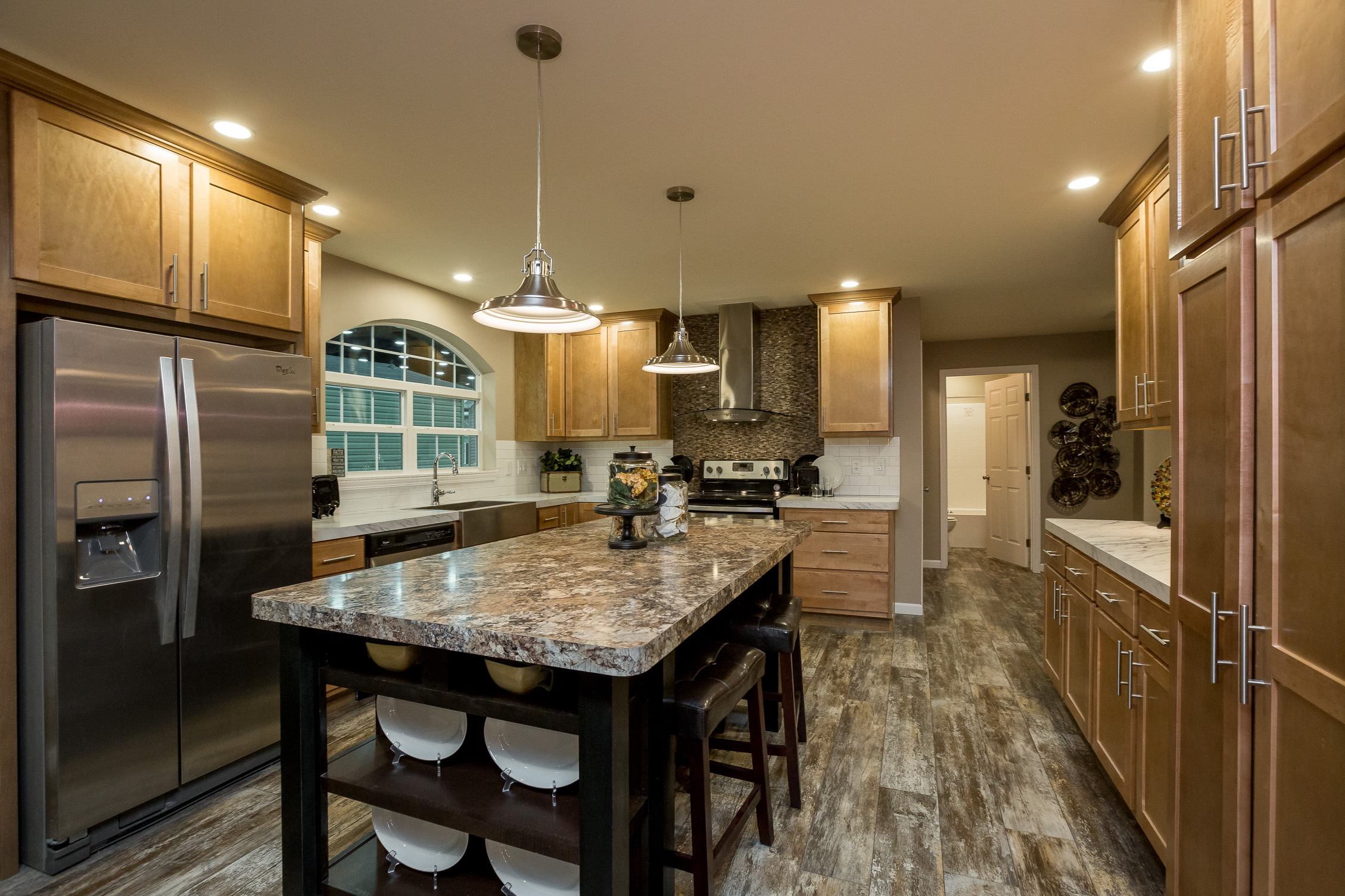
Modern MHs can be constructed to a very high quality. A 2023 report from Harvard’s Joint Center for Housing Studies indicates that homes built to the HUD Code—including all MHs—are as high in quality as stick-built homes built to local construction codes. Additionally, data from the report indicate no differences in the average usable lifespan or in the rate of depreciation for MHs. Thus, MHs can provide families with wealth-building equity just as stick-built homes do. In fact, the latest Federal Housing Finance Agency (FHFA) data released in October 2024 shows MH values rose by a cumulative 212% between the first quarter of 2000 to the second quarter of 2024, while traditional housing rose 213%.

Older MH Communities Need Help
While newly developed MH communities are indistinguishable from traditional neighborhoods, older MH parks were designed for affordability rather than aesthetics. Landowners who charge “lot rent” are motivated to achieve maximum density per acre. Older, narrow, single-wide rectangular units were arranged sideways on each lot, with front doors facing away from the street. In contrast, stick-built neighborhoods almost always have a front door facing the street. Because older MHs lack garages, on-street parking leaves the impression of a parking lot rather than a residential neighborhood.
Such “mobile home parks” are extremely profitable for the property owners, in part because they typically lack the governmental oversight of traditional neighborhoods. Predatory landowners have become so infamous that they are targets of comedians such as John Oliver. Increased public awareness of extreme predatory practices led to major revisions to the Colorado Mobile Home Park Act. Sponsored by Boulder’s own Edie Hooten and Stephen Fenberg, this bill gave basic rights to MH homeowners by requiring MH community management to have and uphold written leases, establish standards for maintenance of infrastructure, and other provisions that have long been the norm for tenants of traditionally-built homes. Another approach to pushing back against private equity corporations is Resident Owned Communities (ROC). Resident Owned Communities USA was launched to assist homeowners living in MH communities to join together to buy the land and infrastructure in a shared investment. ROC USA has successfully assisted homeowners in an MH park in Longmont and one just south of Boulder’s border to purchase their communities collectively. Still, ROCs represent less than 1% of the estimated 43,000 MH parks in the U.S.
Remaining Challenges and Opportunities
So, what are some of the downsides to new MHs? First, mortgage financing is more difficult and more expensive than for traditional homes. Mobile homes were originally considered to be more akin to recreational vehicles than to houses. This bias has persisted. Fannie Mae and Freddie Mac charge higher interest rates for MH loans, and private banks charge even more. Second, shipping from the factory to the final home site adds to costs and produces greenhouse gases that add to the greenhouse gas footprint of MHs. Third, the cost and availability of homeowners insurance in the face of extreme weather events, a problem for traditional homes, is even more problematic for MH stock and threatens the manufacturing market as a whole. A February 2025 research report from the Urban Institute provides a detailed overview of these and other challenges for building climate-resilient MH stock.
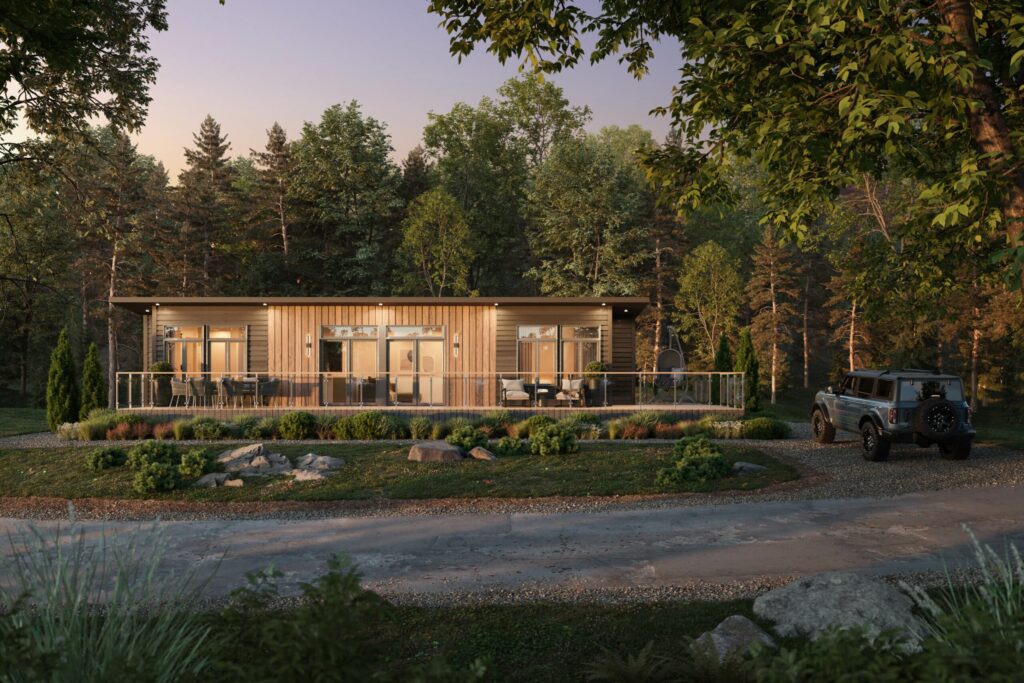
Despite these challenges, new MHs could be a big part of the solution to Boulder’s current housing crisis. Zoning regulations in Boulder now state that no MH is allowed anywhere in the city except in an existing MH community. Infill through loosening of accessory dwelling unit (ADU) zoning rules has occurred, but ADU development could be more rapid and affordable if MHs were allowed. Likewise, small or irregular lots with MHs could quickly increase the availability of lower cost housing if zoning laws were altered. On a more ambitious scale, the city could also promote the development of new MH parks with duplexes and quad-plexes designed specifically for the most acute needs (e.g., lower income households) or higher-end MHs with elegant home designs and unit placements geared to middle-income families. Best of all, using pre-approved MH models, these housing units could all be constructed quickly, potentially changing the landscape of Boulder’s housing shortage in months rather than the years it takes for approval and construction of traditional housing.